
 What do we think of games?
Back then, it was synonymous with sports, outdoor games, board games – until there came digital games. What we have come to understand is that games are fun entertainment. Some even consider it educational.
Digital games are slightly different though.
In sports, outdoor games and board games, the individual player interacts with either another human, an instruction board, or a non-living toy. The response between the individual player
and the “others” serves as an interactive process which also forms a feedback to the player on the causal mechanisms of the game. On top of that, the same feedback which help the player understand how a game works, also conveys information that hints at a player’s performance. In these traditional games, the feedback provider comes in the form of a modest compliment or praise and acknowledgement by another person, or as an advantageous reward or privilege to the player.
Enter digital gaming – a platform for infinite feedback (I would like to call it the “reward machine”).

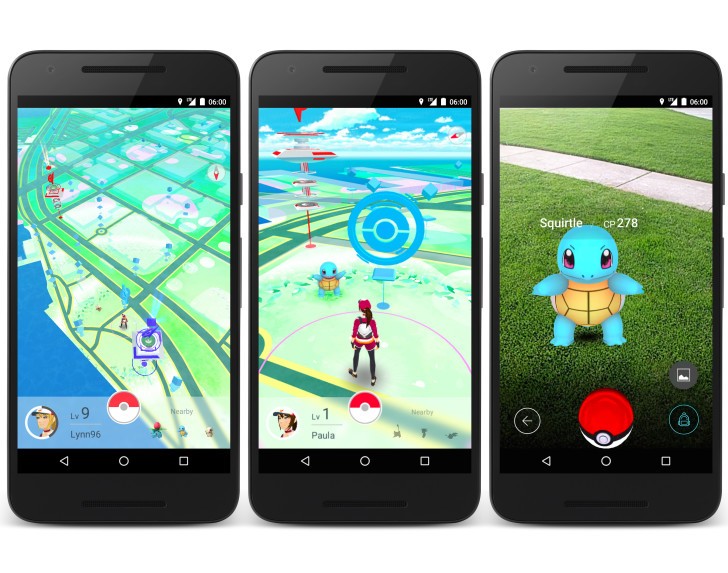 Modern digital gaming provides a platform that is able to digitally interact with the player, and on top of that, simultaneously connect multiple players for interactivity among themselves all within the same platform. Pokemon Go has extended this one step further by enabling interaction with the physical environment, by bringing people closer to nature and closer to one another.
The sheer ability of these modern games to “hook” players into the gaming process tells us how our minds may be “gamified” through the exact reward system. At the same time, it tells a lot about human psychology – their decisions to test the game, and the sustained interest to participate in the gaming process.
Is it possible to extract concepts of gamification and use it as the foundation to sustain continued interest (via a reward machine) in a particular topic? This would make for a great “outcome engine”.
The components of the “outcome engine” would be as follows:
- gamification of interaction – create a feedback system for accomplished tasks
- reward machine – finely balanced craft of rewards that motivate prolonged interest and curiosity in a particular topic
- installation of content – embed teaching elements by means of memorization, skill or activity requirement, thinking patterns and behaviours.
This overall system would enable anyone to participate in a “programming” for some intended outcome.
My personal goal would be to gamify restorative health practices. An example can be found here.
– inspired while taking a walk in the park, observing crowds moving about as directed by their Pokemon Go
Leave a Reply